Machail Mata Yatra 2026 begins in Kishtwar as shrine reopens with mandatory registration, RFID tracking, and enhanced safety measures for devotees.
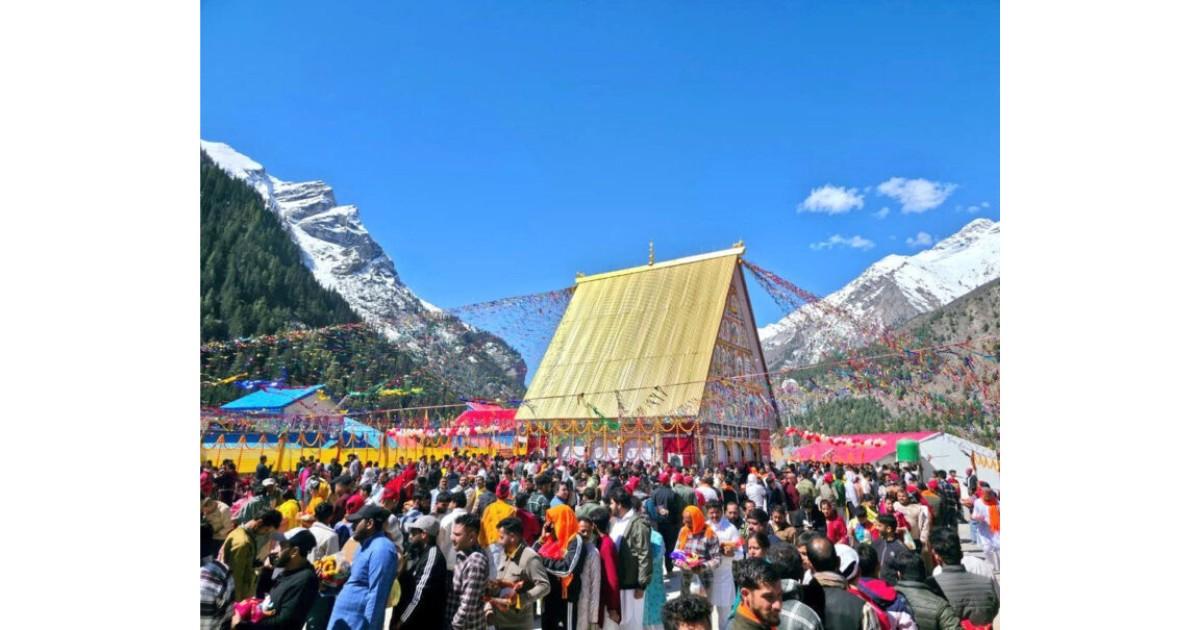
The annual pilgrimage to the revered Machail Mata Shrine in Jammu and Kashmir’s Kishtwar district has officially commenced, with hundreds of devotees arriving to offer prayers as the shrine reopened after the winter break. Situated at an altitude of 9,705 feet in the picturesque Paddar Valley, the yatra marks a significant spiritual event for devotees across northern India.
This year’s pilgrimage, however, comes with enhanced safety protocols and stricter administrative oversight, as authorities have made prior registration mandatory for all pilgrims. The move is aimed at ensuring better crowd management and minimizing risks, particularly in the aftermath of last year’s devastating cloudburst that severely impacted the region.
Mandatory Registration and Safety Measures Introduced
In a key change to the pilgrimage process, district authorities have enforced a compulsory registration system for all devotees planning to undertake the yatra. Officials stated that no pilgrim will be allowed to proceed toward the shrine without completing the registration formalities.
To streamline the process, RFID-based tracking has been introduced, allowing authorities to monitor the movement of pilgrims in real time. Registration counters have been set up at key points, including Gauri Shankar Mandir Sarkoot and the base camp at Gulabgarh, to facilitate both advance and on-the-spot registrations.
The administration has emphasized that these measures are crucial for ensuring the safety and security of devotees, especially given the challenging terrain and unpredictable weather conditions in the region.
Background: Impact of Last Year’s Cloudburst
The decision to tighten regulations follows the tragic cloudburst that struck Chisoti village—the gateway to the Machail shrine—on August 14 last year. The disaster claimed the lives of 63 people, most of whom were pilgrims, and left several others injured or missing.
The floods caused extensive damage to infrastructure, including the destruction of a key bridge and disruption of road connectivity. The incident highlighted vulnerabilities in disaster preparedness and prompted authorities to reassess safety mechanisms for large-scale धार्मिक gatherings in high-altitude regions.
Officials said the new measures have been designed keeping in mind the lessons learned from the tragedy, with a focus on early warning systems, better coordination among departments, and improved facilities along the yatra route.
Senior Officials Review Arrangements
On the opening day of the yatra, senior administrative and police officials visited the shrine to assess the preparedness and ensure smooth conduct of the pilgrimage.
Among those present were Jammu Divisional Commissioner Ramesh Kumar, Inspector General of Police (IGP) Jammu Bhim Sen Tuti, Kishtwar Deputy Commissioner Pankaj Kumar Sharma, and Senior Superintendent of Police Naresh Singh.
The officials also participated in prayers at the shrine and reviewed various arrangements, including security deployment, sanitation, electricity supply, drinking water availability, accommodation, and healthcare services.
They conducted a comprehensive inspection of facilities along the yatra route and issued directions to concerned departments to address any gaps promptly.
Infrastructure and Logistics Strengthened
Authorities have taken several steps to improve infrastructure and logistical support for the yatra. Temporary shelters and accommodation facilities have been arranged, particularly in educational institutions such as schools and colleges, to provide refuge to pilgrims in case of adverse weather conditions.
Efforts have also been made to ensure uninterrupted electricity supply in Machail and surrounding areas, along with adequate water provision. Medical camps and emergency response teams have been stationed at strategic points to handle any health-related issues or emergencies.
Transportation arrangements have been streamlined to facilitate easier movement of pilgrims, while security personnel have been deployed in large numbers to maintain law and order.
Push for a Plastic-Free Yatra
In line with environmental conservation goals, the district administration has launched a campaign to make the Machail Mata Yatra completely plastic-free. Sanitation workers have been deployed along the route, and strict guidelines have been issued regarding waste management.
Officials have urged devotees to cooperate by avoiding the use of single-use plastics and maintaining cleanliness throughout the pilgrimage. Adequate waste disposal mechanisms have been put in place to ensure proper handling of garbage generated during the yatra.
The initiative reflects a broader effort to preserve the fragile ecosystem of the Himalayan region while promoting sustainable tourism and धार्मिक practices.
Religious Significance of Machail Mata Shrine
The Machail Mata Shrine holds immense spiritual significance for devotees, particularly from Jammu and Kashmir, Himachal Pradesh, and Punjab. Dedicated to Goddess Durga, the shrine is believed to be a powerful center of faith, attracting thousands of pilgrims every year.
The yatra traditionally begins after the winter snow recedes, allowing access to the high-altitude temple. Devotees undertake a challenging trek through rugged terrain to seek blessings, often describing the journey as both physically demanding and spiritually enriching.
The opening of the shrine also involves traditional rituals, including the ceremonial shifting of the idol of Goddess Machail Mata from the residence of the local priest to the main temple premises.
Focus on Disaster Preparedness
Given the region’s susceptibility to natural disasters, authorities have placed a strong emphasis on disaster preparedness this year. Emergency response teams equipped with necessary tools and communication devices have been deployed along the route.
Coordination between various departments, including police, health, disaster management, and public works, has been strengthened to ensure a swift response in case of any unforeseen situation.
Weather monitoring systems are being closely tracked, and advisories are being issued regularly to keep pilgrims informed about potential risks.
Community Participation and Support
Local communities have also played a vital role in facilitating the yatra. Residents of nearby villages have extended support by providing food, shelter, and assistance to pilgrims.
Langar services have been organized at multiple points along the route, offering free meals to devotees. Volunteers and NGOs have also joined hands with the administration to ensure smooth conduct of the pilgrimage.
The yatra thus continues to serve as a symbol of communal harmony and collective effort, bringing together people from diverse backgrounds in a shared spiritual experience.
Looking Ahead
With enhanced safety measures, improved infrastructure, and active participation from both authorities and local communities, officials are optimistic about the successful conduct of this year’s Machail Mata Yatra.
The administration has reiterated its commitment to ensuring a सुरक्षित, सुव्यवस्थित, and environmentally responsible pilgrimage, urging devotees to adhere to guidelines and cooperate with authorities.
As the yatra progresses, continuous monitoring and periodic reviews will be conducted to address emerging challenges and ensure that the spiritual journey remains both meaningful and safe for all participants.
Inputs & Images: Hindusthan Samachar
Edited By: Akshaya Polepalli